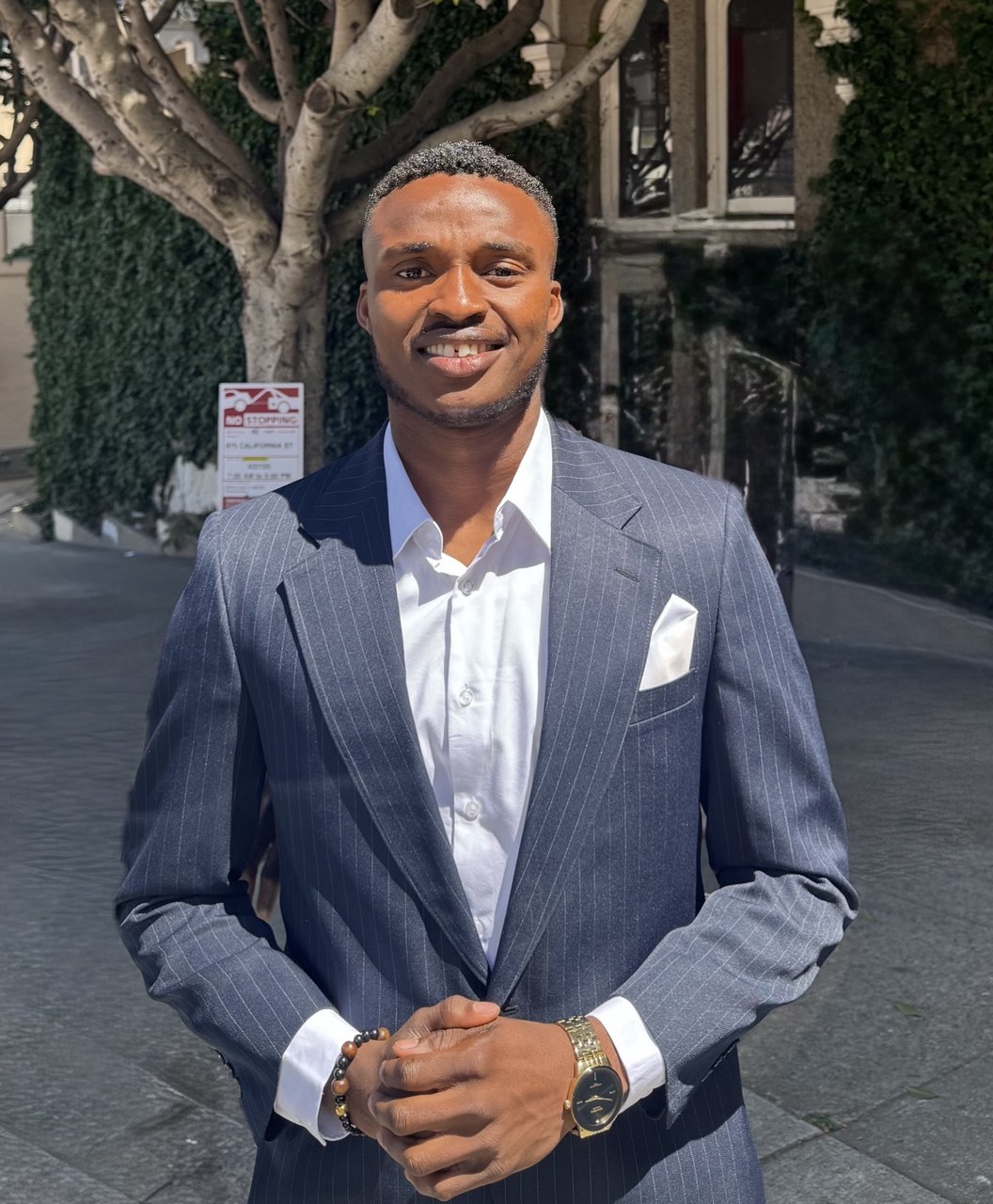
Neuroscientist · Aging and Neurological Diseases
Junior Specialist at the Baraban Lab, UCSF. I am interested in the relationship between the immune system and neurological disease, which I study using immunofluorescence, imaging, and computational tools.
I am a neuroscientist based in San Francisco. My research interest sits at the intersection of immune biology and brain aging. I am motivated by the question of how immune processes drive neural vulnerability in Alzheimer's disease, and how we might detect or slow that decline before it becomes irreversible.
Currently at the Baraban Lab (UCSF Department of Neurosurgery), I study immune system behavior in mouse epilepsy models following MGE transplantation. I previously worked in the Seeley Lab (UCSF Memory and Aging Center), generating neuron tracings to train ML models for automated segmentation of FTD/ALS postmortem tissue, and in the Larkum Lab at Humboldt University in Berlin, conducting advanced image analysis on cortical layer 5 pyramidal neurons.
I hold a B.S. in Natural Sciences from Minerva University and am a first-author in the Journal of Alzheimer's Disease. I serve as an Associate Editor and Peer Reviewer at the same journal.
Using computational approaches to study diseases.
Alzheimer's has no cure, and the two approved disease-modifying drugs work only in the earliest stages. Because their benefit depends on catching people early, I built this model to predict conversion from MCI to dementia within 24 months using only accessible baseline clinical data, ADNI and NACC. The finding: cheap cognitive tests predict conversion as reliably as expensive CSF biomarkers. A research and learning project.
About 55 people die of sudden cardiac arrest in the U.S. each day, often without knowing they were at risk. I built this classifier to explore how routine clinical features can surface cardiovascular risk before an event. An educational project, not a clinical tool.
Lung cancer is the leading cause of cancer death in the U.S., largely because most cases are caught late, when survival drops sharply. I built this interpretable decision-tree classifier to explore how clinical features might flag risk earlier, visualized as a transparent tree. A learning project for educational purposes.
A foundational NLP exercise: a logistic-regression classifier with Bag-of-Words vectorization reaching 98.9% accuracy on 5,728 emails, saved as a deployable pipeline. It grounds text-processing and pipeline skills that transfer to biomedical-text and clinical-notes analysis.
Additional projects in computational neuroscience and biomedical ML are in progress. Follow on GitHub for updates.
Journal of Alzheimer's Disease (2025)
A systematic review examining senolytic therapies, agents that clear senescent cells, as a potential intervention in Alzheimer's disease, synthesizing evidence across animal models and clinical research. It grew out of the question at the center of my work: whether targeting the aging immune processes that drive neuroinflammation, rather than downstream plaques alone, could slow neurodegeneration.
Managing manuscript submissions, coordinating peer review, providing editorial recommendations, and participating in the annual Alzheimer Award selection process.
Reviewing submitted manuscripts in Alzheimer's disease research — evaluating methodology, statistical rigor, and clarity; providing constructive feedback in accordance with journal standards.